Laboratory Panel

Complete Metabolic Panel (CMP)

Purpose of Test

A CMP is typically done as part of your yearly checkup. It can also be ordered if you are ill and hospitalized.

Your healthcare provider may also order a comprehensive metabolic panel based on your risk factors for certain conditions, or to monitor them if you’re already diagnosed, such as:


Type 2 diabetes Icon

Type 2 diabetes

Kidney disease Icon

Kidney disease

Liver disease Icon

Liver disease

Hypertension Icon

Hypertension

In addition to determining the health of your liver and kidneys, the CMP also checks the status of your blood sugar and protein levels, as well as your body's electrolytes and fluid balance.

The CMP doesn't necessarily diagnose a single condition. Given the breadth of the test, it often gives your healthcare provider a starting point to order more targeted tests to diagnose a specific condition.
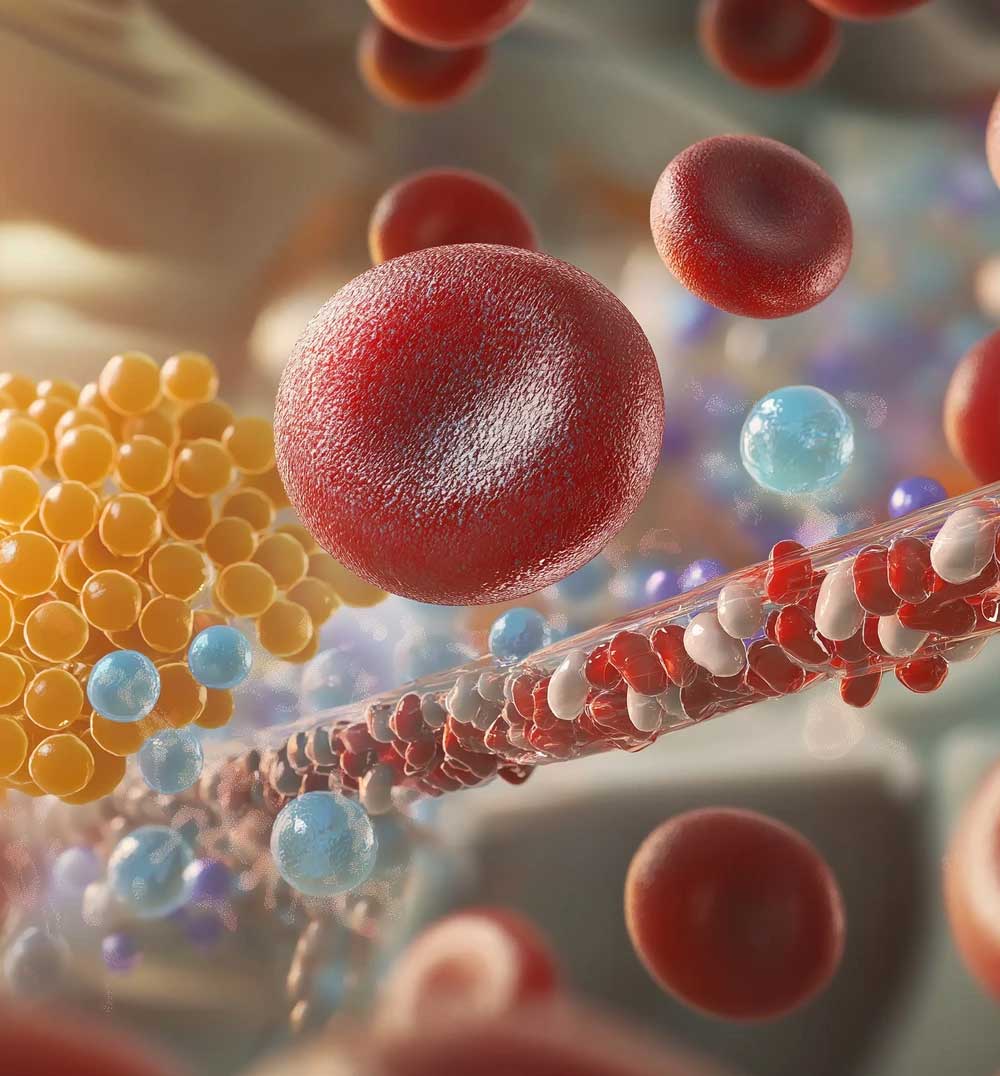
Complete Metabolic Panel

Components

The 14 tests that make up a comprehensive metabolic panel are as follows. These measures are useful to review together, rather than alone, as patterns of results can be more telling—which is why they are tested at the same time.


Proteins Icon

Proteins

  • Albumin: A protein produced by the liver that helps transport vitamins and enzymes through your bloodstream. The test measures liver function.
  • Total protein: Measures all the proteins in the blood.
Electrolytes Icon

Electrolytes

  • Sodium: Essential to basic, normal body function, including fluid maintenance, as well as muscle and nerve function. Elevated sodium levels may increase fluid retention and blood pressure.
  • Potassium: Helps maintain proper heart and muscle function. High or low potassium can be related to hypertension and kidney disease.
  • Carbon dioxide: Helps maintain your body's pH (acid/base) balance.
  • Chloride: Affects fluid and pH balance.
Kidney Tests Icon

Kidney Tests

  • BUN (blood urea nitrogen): The kidneys remove this waste product from the blood. High levels are a red flag for kidney function.
  • Creatinine: A waste product created by muscle function. Elevated levels could indicate kidney problems.
Liver Tests Icon

Liver Tests

  • ALP (alkaline phosphatase): A liver and bone enzyme that can indicate liver damage and bone disorders.
  • ALT (alanine aminotransferase): A liver and kidney enzyme.
  • AST (aspartate aminotransferase): A heart and liver enzyme.
  • Bilirubin: A liver waste product.

Other

  • Glucose: Also referred to as your blood sugar, this is your body's main source of energy. Elevated blood sugar can be a sign of prediabetes and diabetes.
  • Calcium: This mineral is critical for proper muscle and heart function, as well as bone formation.